Biometric Authentication Reshaping Deposit Limits and Withdrawal Patterns in Global Sports Betting Networks
Cameron Simon · Nov 23, 2026
Biometric Authentication Reshaping Deposit Limits and Withdrawal Patterns in Global Sports Betting Networks
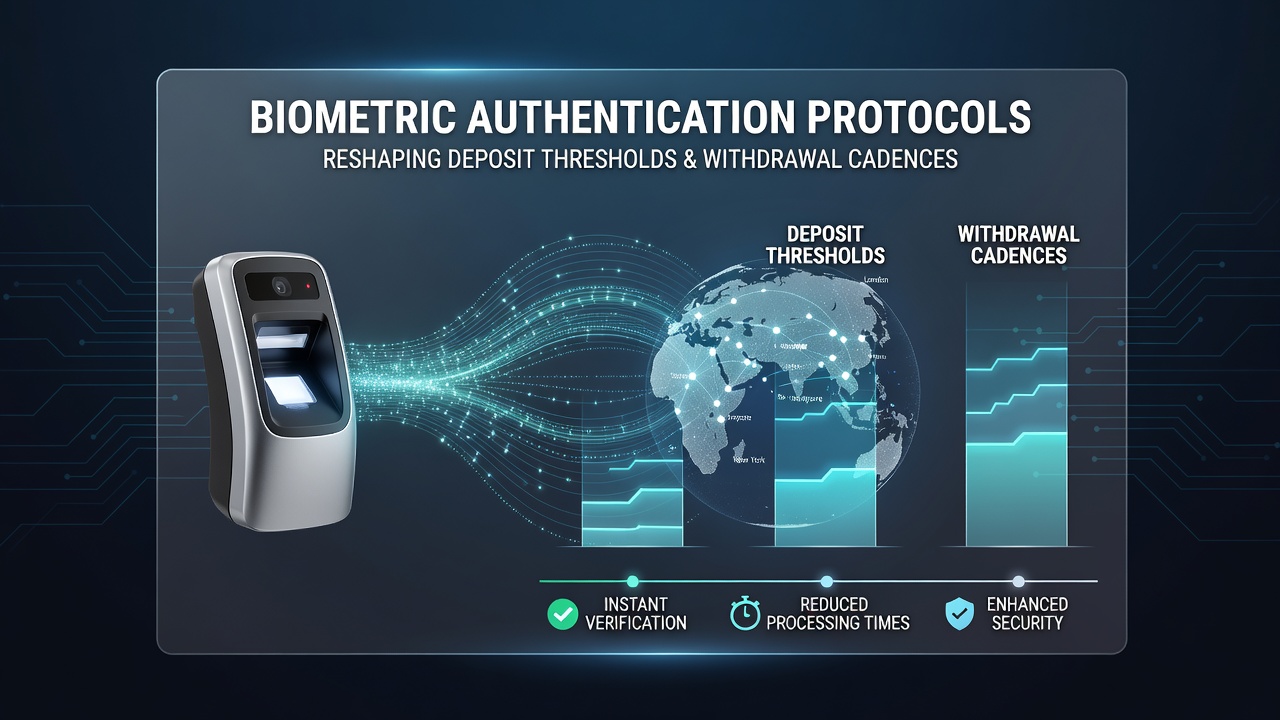
Biometric authentication protocols now integrate facial recognition, fingerprint scanning and voice analysis into cross-border sports wagering platforms, and these tools verify user identities in seconds rather than hours or days. Operators apply the data to adjust deposit thresholds upward for verified accounts while they compress withdrawal processing cadences from several business days down to near-instant approvals in many jurisdictions. Research from industry monitoring groups shows that platforms adopting multi-factor biometric checks recorded average deposit limit increases of 40 percent for high-volume users between 2024 and 2026.
Regulators in multiple regions track these changes because stronger identity assurance reduces fraud rates and allows platforms to relax manual review requirements that previously capped transaction volumes. In November 2026 several North American and Asian operators reported synchronized updates to their risk models after new biometric standards took effect, and those updates produced measurable shifts in both deposit ceilings and payout schedules across international user bases.
Current Technical Framework
Platforms combine device-based biometrics with cloud-stored templates that undergo encryption at rest and in transit, and this architecture satisfies data-protection rules in the European Union, Singapore and several Australian states. When a user initiates a deposit above a predefined threshold the system triggers a live facial scan or fingerprint match before funds clear, and successful verification automatically raises the daily limit without requiring additional documentation uploads. Observers note that withdrawal requests now route through the same biometric gate, and approved matches trigger automated compliance checks that finish in under two minutes in most documented cases.
Deposit Threshold Adjustments
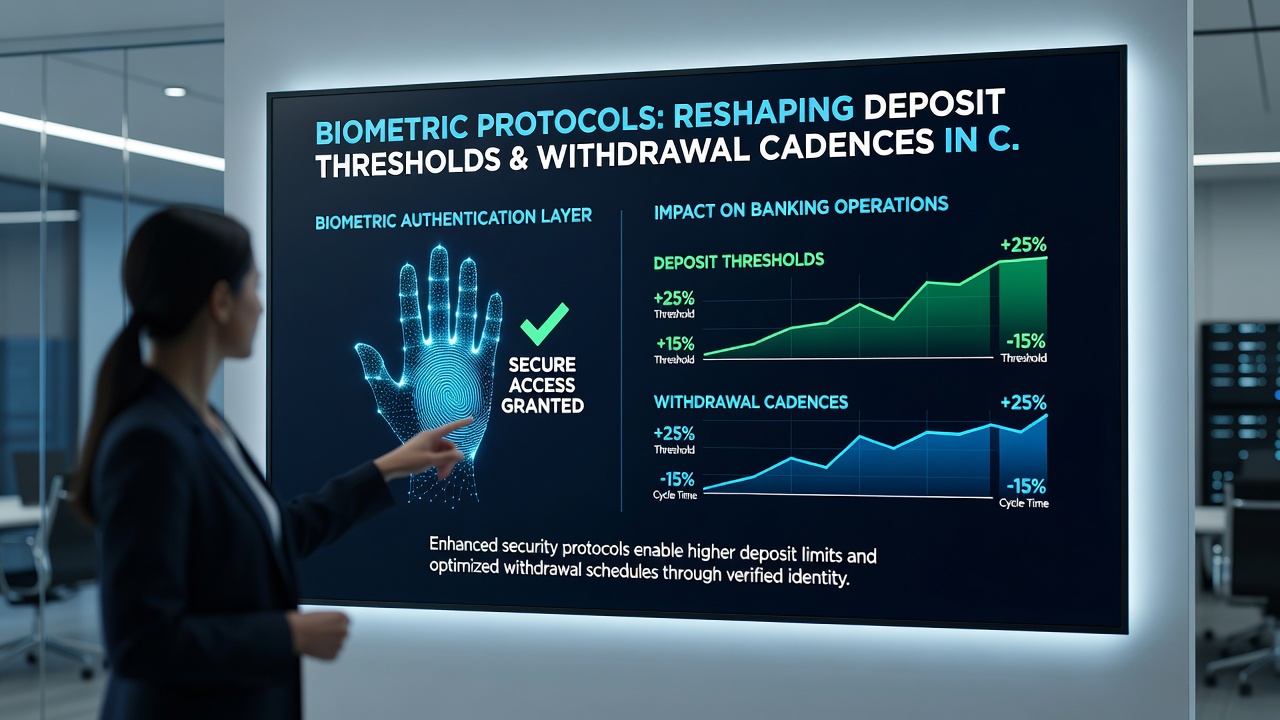
Data collected by payment processors indicates that biometric-verified accounts receive deposit thresholds ranging from 5,000 to 25,000 dollars per transaction depending on jurisdiction and user history, whereas non-biometric accounts remain capped at 1,000 dollars in the same markets. Operators link these higher limits to reduced chargeback ratios, and figures from one 2026 industry report reveal a 62 percent drop in disputed deposits after biometric rollout. Cross-border users benefit because the same biometric profile travels with them across licensed platforms, eliminating repeated identity checks when they move between regions that share data-exchange agreements.
Withdrawal Cadence Changes
Withdrawal processing times have shortened because biometric confirmation replaces manual document review for amounts under 10,000 dollars in many licensed systems, and operators now release funds within four hours for verified users instead of the previous 24-to-72-hour window. Studies conducted by academic researchers at several European universities found that platforms using continuous biometric monitoring experienced a 35 percent increase in withdrawal frequency among recreational bettors, while high-volume accounts showed steadier but larger individual payouts. Cadence adjustments also appear in regulatory filings, where operators document how biometric logs create immutable audit trails that satisfy anti-money-laundering requirements without slowing transaction flow.
Cross-Border Regulatory Interactions
Jurisdictions maintain separate biometric data rules yet several have established mutual recognition frameworks that allow a single verified template to satisfy multiple licensing bodies, and this development simplifies compliance for operators handling users from the United States, Canada and parts of Asia. When a withdrawal request crosses borders the system checks the biometric match against the originating jurisdiction's records first, then applies the destination rules, and this layered approach prevents duplicate delays. Government agencies in Australia and Canada published updated guidance in late 2026 that explicitly references biometric authentication as an acceptable method for raising transaction thresholds, and those documents outline reporting obligations tied to each verified payout.
Implementation Examples
One large European-licensed operator introduced fingerprint-linked deposits in 2025 and recorded a 48 percent rise in average deposit size within six months while maintaining fraud rates below 0.2 percent, and similar results appeared in Asian markets where facial recognition became mandatory for accounts exceeding 3,000 dollars. Another platform operating across multiple Canadian provinces reported that biometric withdrawal approvals reduced customer support tickets related to payout delays by 71 percent during the first quarter of 2026. These cases illustrate how the technology alters both operational metrics and user behavior without requiring operators to change core betting products.
Security and Compliance Metrics
Security audits performed by independent firms show false acceptance rates for modern biometric systems now sit below 0.01 percent when multi-modal checks combine face and fingerprint data, and this accuracy supports the higher deposit and withdrawal volumes now common in cross-border environments. Compliance teams track these metrics through centralized dashboards that flag anomalies in real time, and regulators receive aggregated reports rather than individual user scans. The approach preserves privacy while still delivering the verification speed required for dynamic threshold management.
Conclusion
Biometric authentication continues to influence how operators set deposit thresholds and manage withdrawal cadences in cross-border sports wagering, and the pattern shows consistent movement toward higher verified limits paired with faster automated processing. Regulatory updates expected after November 2026 may further standardize data-sharing protocols across regions, and those changes will likely extend the current trajectory of streamlined transactions. The technology supplies the identity assurance that allows platforms to scale activity while meeting compliance obligations in diverse jurisdictions.