Exploring Interconnections Between Cryptocurrency Volatility and Player Bankroll Management Techniques in Online Poker Tournaments
Erik Baumann · Aug 14, 2026
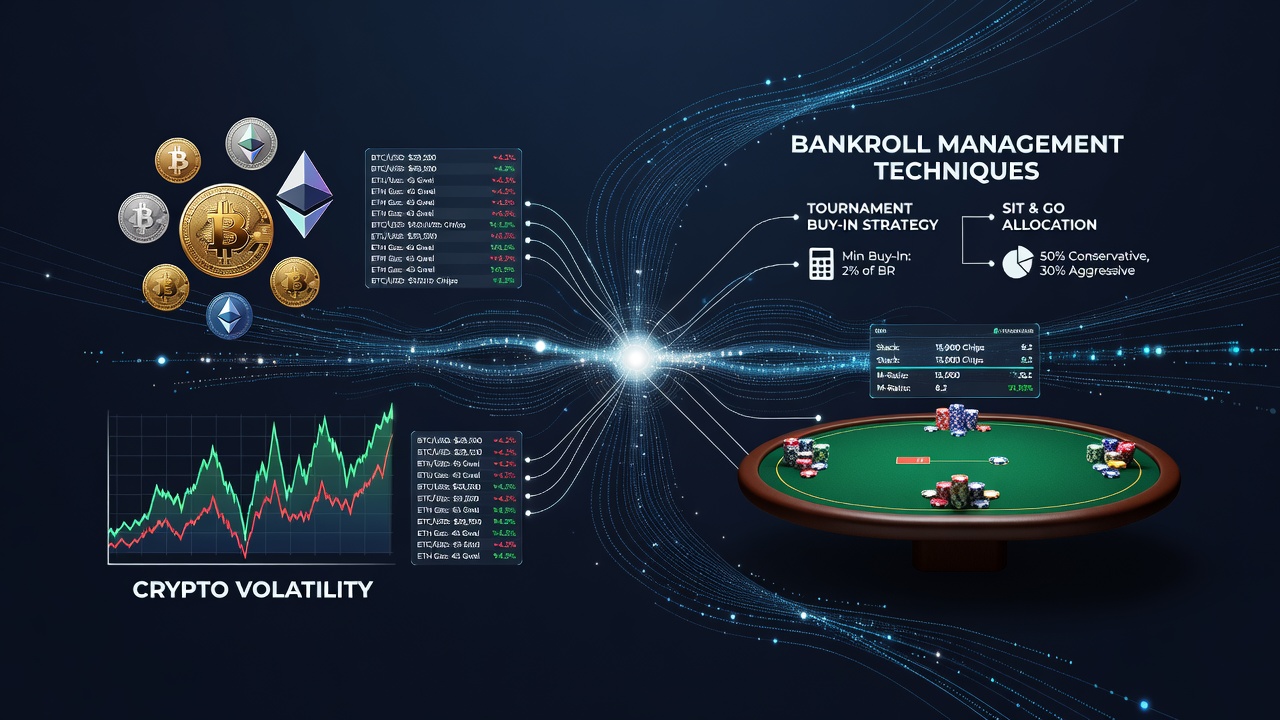
Exploring Interconnections Between Cryptocurrency Volatility and Player Bankroll Management Techniques in Online Poker Tournaments
Online poker tournaments have seen growing use of cryptocurrency as a deposit and withdrawal option since platforms began integrating digital assets around 2018, and data from transaction logs indicate that Bitcoin and Ethereum account for a substantial share of such activity through mid-2026. Volatility in these assets produces rapid value changes that directly influence how players allocate funds across multiple events, since a sudden price drop can shrink available bankrolls before buy-ins occur. Researchers tracking market movements note that daily swings exceeding 5 percent occur frequently enough to prompt adjustments in entry strategies, and tournament organizers report higher volumes of crypto-funded registrations during periods of relative stability.
Patterns in Cryptocurrency Price Movements Affecting Poker Funding
Market records compiled through August 2026 reveal that Ethereum experienced average intraday fluctuations of 4.2 percent over the preceding twelve months while Bitcoin averaged 3.8 percent, according to aggregated exchange data. Players who maintain tournament bankrolls in these assets often convert portions to stablecoins ahead of scheduled events to limit exposure, yet conversion timing itself depends on monitoring tools that many participants integrate with their account dashboards. Studies from financial research groups show that clusters of high volatility coincide with reduced crypto transaction volumes on poker sites, and operators have responded by offering hedging options such as locked-rate deposits that freeze values for 48 hours. Those who have examined player logs observe that accounts funded exclusively with volatile assets display wider variance in participation rates across weekly tournament schedules compared with fiat-backed accounts.
Established Bankroll Management Approaches in Tournament Play
Standard bankroll protocols for online poker tournaments recommend maintaining 50 to 100 buy-ins for a given stake level to absorb variance, and software analytics from major platforms confirm that adherence to these ranges correlates with longer session durations before account depletion. Participants apply stop-loss limits per event and distribute entries across staggered buy-in levels to spread risk, while tracking software records show that users who review historical performance metrics adjust their total committed amounts by an average of 15 percent following volatility spikes. Multi-table tournament specialists often segment bankrolls into separate pools for high-variance events versus lower-stakes grind sessions, and data from operator reports indicate that such segmentation reduces the frequency of full bankroll reloads within single calendar months.

Direct Links Between Asset Swings and Adjusted Management Tactics
When cryptocurrency values decline sharply, players who rely on digital assets frequently reduce the number of simultaneous tournament entries or shift toward lower buy-in brackets to preserve capital, and platform metrics collected in August 2026 demonstrate a measurable uptick in such behavior during weeks with elevated price swings. Conversely, upward movements allow expansion of entry volume because realized gains increase the effective bankroll size in fiat terms, prompting some participants to recalibrate their risk thresholds accordingly. Observers who analyzed transaction patterns across regulated networks note that conversion from volatile coins to tournament credits occurs more often on days when price momentum appears stable, and this timing preference leads to smoother cash-flow cycles for both players and site operators. One documented case involved a cohort of mid-stakes players who incorporated automated alerts tied to volatility indexes, resulting in documented reductions in forced withdrawals during downturns according to aggregated account histories.
Payment processors supporting poker networks have introduced features that display real-time exchange rates alongside bankroll balances, enabling users to make informed decisions about when to lock in values before committing to events. Academic analyses of transaction datasets reveal that accounts employing these tools exhibit lower rates of negative balance incidents compared with those that do not, particularly during months marked by macroeconomic events that amplify crypto movements. Tournament payout structures remain unchanged regardless of funding currency, yet the effective return on investment fluctuates with the asset's value at the moment of cash-out, which encourages participants to maintain diversified holdings across multiple coins and stable options.
Regional Regulatory Context and Industry Data Points
Reports from the Canadian Centre for Gaming Research indicate that crypto usage in online poker grew steadily through the first half of 2026, with volatility cited as a primary factor in evolving player risk protocols. Industry associations tracking digital gaming have published summaries showing that platforms offering integrated volatility hedging tools retained higher percentages of active tournament players during periods of market turbulence. These developments occur alongside broader expansion in regulated markets where operators must comply with standards that address both financial instrument risks and responsible gaming requirements.
Conclusion
Interconnections between cryptocurrency volatility and bankroll management in online poker tournaments manifest through observable shifts in entry patterns, conversion timing, and risk segmentation strategies. Data collected up to August 2026 demonstrate that players adapt established protocols by incorporating market monitoring and hedging mechanisms, while platforms respond with tools that support these adjustments. Continued examination of transaction records and player behavior metrics will clarify how these dynamics evolve as both cryptocurrency markets and tournament ecosystems develop further.