Tracking Self-Exclusion Feature Rollouts in Sports Betting Applications by Region
Erik Baumann · Sep 28, 2026
Tracking Self-Exclusion Feature Rollouts in Sports Betting Applications by Region
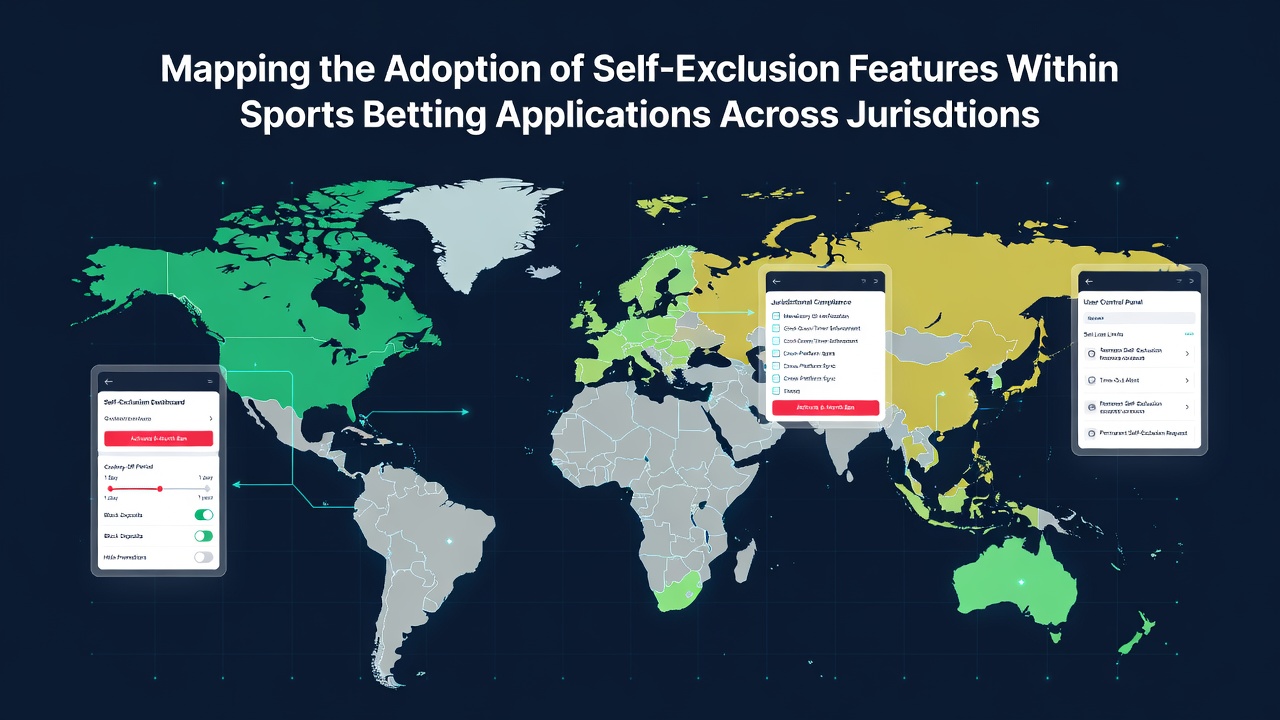
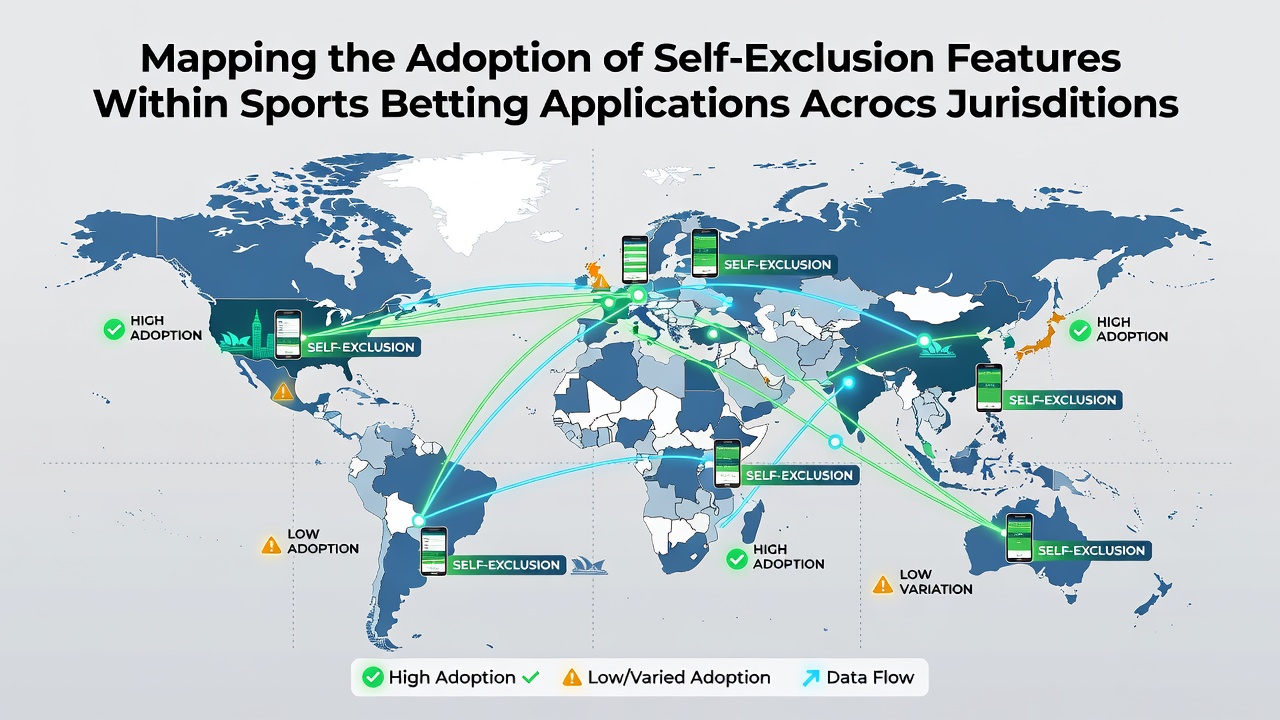
Self-exclusion tools have become standard components in many licensed sports betting platforms, allowing users to set temporary or permanent blocks on their accounts through app settings or dedicated portals. Data from multiple regulatory bodies shows that adoption rates vary sharply by jurisdiction, with some regions mandating these features while others leave implementation to individual operators. As of September 2026, several US states and Canadian provinces have updated their compliance frameworks to require real-time synchronization between apps and centralized exclusion registries.
US State-Level Implementation Patterns
Operators in states like New Jersey, Pennsylvania, and Michigan integrate self-exclusion directly into mobile apps, where users select exclusion periods ranging from 30 days to lifetime bans through simple menu selections. The New Jersey Division of Gaming Enforcement requires that these selections trigger immediate account locks across all licensed platforms operating in the state. Figures from the first half of 2026 indicate that over 85,000 active self-exclusions were recorded in these three states combined, with mobile-initiated requests accounting for nearly 70 percent of the total. In contrast, states such as Florida and Texas continue to rely on voluntary operator programs without statewide databases, resulting in fragmented coverage that requires users to contact each platform separately.
Research from the National Council on Problem Gambling highlights how interstate data sharing remains limited, though pilot programs in the Midwest have begun testing cross-border verification protocols. One study released in mid-2026 examined transaction logs from four major apps and found that users who activated self-exclusion after receiving targeted deposit-limit prompts showed longer compliance periods than those who used the feature without prior nudges.
Canadian Provincial Approaches
Provinces including Ontario and British Columbia have embedded self-exclusion into their single-window regulatory systems, where a single registration blocks access across all authorized sportsbooks. The Alcohol and Gaming Commission of Ontario maintains a centralized database updated in real time, and operators must verify user status before processing any wager. Adoption data released in September 2026 showed monthly self-exclusion activations averaging 4,200 in Ontario alone, with the majority selecting six-month or one-year terms. British Columbia's system adds an optional cooling-off period of 24 to 72 hours that does not require full exclusion registration, a feature that has seen steady uptake since its introduction in 2024.
Australian and European Developments
Australia's National Consumer Protection Framework requires all licensed wagering apps to offer exclusion options accessible within three clicks from the home screen. State regulators in New South Wales and Victoria report that self-exclusion requests processed through apps increased by 22 percent year-over-year through the second quarter of 2026. Many platforms now link these tools to loyalty program accounts, automatically removing excluded users from promotional communications. In Europe, the Netherlands and Germany have introduced national registries that sports betting apps must query at login, while operators in Sweden maintain their own lists but share anonymized usage statistics with the Swedish Gambling Authority for oversight purposes.
Observers note that technical standards differ across these markets, with some requiring biometric confirmation for exclusion activation and others accepting simple password entry. A joint report from the Responsible Gambling Council and European gaming associations found that apps using biometric steps recorded fewer accidental activations and higher long-term adherence rates among users who later sought to lift restrictions.
Technical and Operational Considerations
Many sports betting applications now sync self-exclusion status through APIs connected to government or third-party databases, reducing the window between user request and enforcement to under 60 seconds in regulated markets. Developers have added features such as scheduled reminders before exclusion periods end and mandatory counseling resource links that appear when users attempt to reactivate accounts. Data from operator compliance filings shows that integration costs have declined as standardized software development kits become more widely available, allowing smaller platforms to match the functionality of larger competitors.
Challenges persist in regions without unified registries, where users must navigate multiple apps to achieve comprehensive exclusion. Industry reports indicate that partial exclusions, in which users block only specific bet types or deposit methods, have gained traction in jurisdictions that permit them, though overall effectiveness metrics remain under study by academic researchers.
Conclusion
Jurisdictions continue to refine how self-exclusion tools function within sports betting applications, with centralized registries and real-time verification emerging as common standards in more mature markets. Ongoing data collection through September 2026 and beyond will help regulators assess whether current technical implementations deliver consistent outcomes across different user populations and operator types.